
Research Day
November 2, 2026 2026-11-10 11:33Research Day
The UGHE Research Day
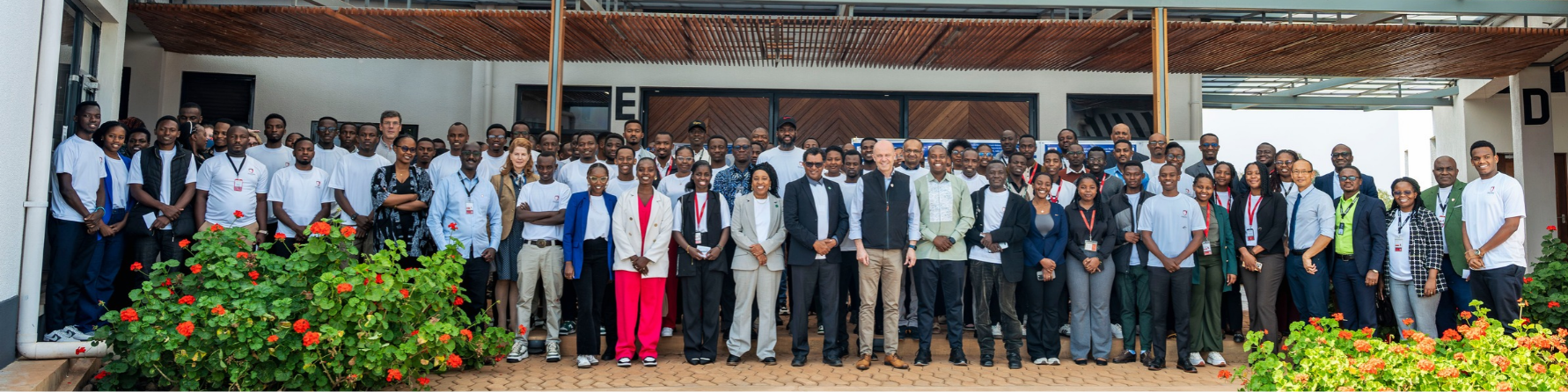
What is Research Day?
UGHE Research Day is an annual research convening that brings together researchers, students, faculty, health professionals, policymakers, programme implementers, community partners and collaborators to share research grounded in local realities and designed to improve health.
The event creates a focused space to connect evidence with decisions, strengthen interdisciplinary exchange, and advance research that can influence policy, practice, programme delivery and equitable health outcomes.
2026 Edition
UGHE Research Day 2026 brings together students, faculty, staff, alumni, partners and collaborators around three pillars: showcase excellent research, by presenting rigorous, locally grounded work that responds to the health challenges of a changing world; build research culture, by strengthening inquiry, mentorship and scholarly engagement across UGHE; and create research connections, by linking researchers and students with mentors, partners and the policymakers and practitioners who can turn evidence into lasting, equitable impact.
Event details | |
Date | Friday, 20 November 2026 |
Venue | UGHE Butaro Campus, Burera District, Rwanda |
Format | In person, with virtual participation via Zoom (plenaries in the main meeting; a dedicated breakout room for each parallel session) |
Program | |
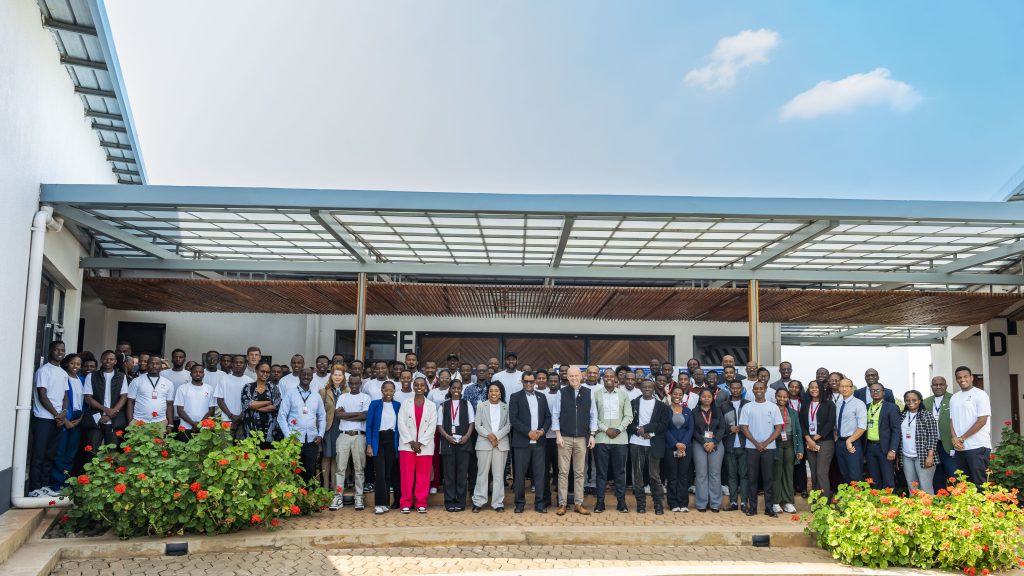
Theme: Research for Equity in a Changing World: From Local Evidence to Lasting Impact
This year’s theme reflects UGHE’s commitment to equity and to research that serves communities. It asks participants to go beyond describing problems and to show what their findings mean for policy, practice and scale-up. The aim is research that starts from local priorities and lived realities and leaves lasting improvements in health systems, programmes and policy. The programme is organised under three complementary tracks.
Resilient Health Systems, Health Professions Education and Community Health
Focus: Building resilient systems and developing the workforce, community partnerships and socially responsive approaches required to deliver equitable, people-centred universal health care.
Examples: Health-system resilience; decentralized and community-based service delivery; financing and governance; emergency preparedness and response; equitable access; health professions education; competency- and simulation-based training; faculty development; clinical and surgical training pipelines; community and social medicine; community-engaged and participatory research; social determinants of health; behavioural and social science; community-led interventions; and community and public health education.
Climate Change, One Health and Emerging and Enduring Health Challenges
Focus: Understanding and responding to the interconnected effects of climate change, environmental disruption and evolving disease burdens on population health and health equity.
Examples: Climate-sensitive diseases; extreme weather and health; environmental health; food and water security; zoonoses and One Health; antimicrobial resistance; emerging and re-emerging infections; HIV, tuberculosis and malaria; noncommunicable diseases and cancer; mental health; maternal and child health; and changing patterns of disease and multimorbidity.
Health Innovation, Evidence and Impact
Focus: Advancing locally relevant innovations and translating evidence into policy and practice to improve health equity and achieve sustainable impact at scale.
Examples: Artificial intelligence; digital health; diagnostics and other health technologies; predictive analytics and responsible data use; locally developed innovations; implementation and evaluation of new technologies and interventions; implementation science; knowledge translation; evidence-informed policymaking; adaptation and scale-up; and measurement of real-world impact.
Abstract requirements
Language | English. |
Title | Concise and no more than 20 words. |
Length | Maximum 300 words, excluding the title, author details and keywords. |
Structure | Background; Objective; Methods or Approach; Results or Findings; Conclusion and Implications for Policy, Practice or Impact. |
Authors | List all authors, affiliations and the corresponding author’s email; identify the presenting author. |
Track and keywords | Select one primary track and provide three to five keywords. |
Excluded content | Do not include tables, figures, references or unexplained abbreviations. |
Ethics | For human-participant studies or identifiable data, indicate ethical approval or exemption. For protocols or work in progress, state ethics status and the anticipated pathway where applicable. |
Disclosures | State relevant funding sources and conflicts of interest. |
Review and selection
Abstracts will undergo administrative eligibility screening followed by two independent scientific reviews, resolution of substantial scoring discrepancies and conflicts of interest, a Scientific Sub-committee selection meeting, and Core Committee approval. Selection may result in an oral presentation, poster presentation or another appropriate format; reviewers will take account of the stated stage of the work.
Relevance — 20% | Alignment with the theme and selected track. |
Scientific rigor/methodological quality — 25% | Appropriateness, coherence and quality of design, methods, measurement and analysis. |
Importance and relevance to health equity — 20% | Importance of the health or equity problem and relevance to underserved populations or contextual determinants. |
Innovation/originality — 20% | Originality of the question, approach, setting, methods or application and contribution to knowledge or practice. |
Potential impact on policy, practice, communities or health systems — 20% | Plausible, credible pathway from findings to policy, practice, community benefit or health-system improvement. |
Clarity and quality of abstract — 15% | Clear, complete, concise and logically coherent presentation of the study and its contribution. |
Key dates
Abstract submissions open | 25 September 2026 |
Abstract submission deadline | 23 October 2026 at 11:59 p.m. CAT |
Notification of review outcome | 06 November 2026 |
UGHE Research Day | 20 November 2026 |
Submission indicates that all listed authors have approved the abstract and that the presenting author will be available on 20 November 2026 if selected.
Key Information
Item | Details |
Venues |
|
Virtual attendance | Research Day is held in person, with virtual attendance via Zoom for registered external participants plenaries are streamed in the main Zoom meeting. During the parallel sessions, Rooms A, B and C each have their own Zoom breakout room, and virtual participants can move between them to follow the track they want. |
Wi-Fi | Network: UGHE-Btr-Guests Password: !!!guest@ughe@40! |
Awards | Categories: Best Oral (Student and Faculty), Best Poster (Student and Faculty). Winners announced at 4:00pm. |
Social media Handle | #UGHEResearchDay2026 |
Contacts | Logistics: Ms. Valentine Nyirahabimana, vnyirahabimana@ughe.org Scientific programme: Dr. Vernon Mochache, vmochache@ughe.org |
Registration and participation
FAQs
Is this conference funded ?
No, this conference will be fully self-funded
Who may submit ?
Submissions are welcomed from UGHE students, faculty, staff and alumni; researchers and academic partners; health professionals; policymakers; programme implementers; community representatives; civil-society organizations; funders; and collaborators from Rwanda, Africa and the wider global health community. Early-career researchers and students are strongly encouraged to submit.
What are the types of work welcomed?
The types of welcomed work are:
- Original quantitative, qualitative or mixed-methods research.
- Implementation research, quality-improvement studies, programmatic best practices and evaluations of programmes or policies.
- Clinical, population, community and health-systems research.
- Health professions education, community and social medicine, and community-engaged, participatory or locally led research.
- Innovation, technology, data-science and diagnostic studies.
- Research protocols or work in progress that clearly state the stage of the work and expected contribution.
Can I submit more than one abstract as the primary author?
Yes.
My project is still in progress. Can I still submit an abstract?
Yes. We receive your abstract, whether the paper is published or not.
What are the formatting guidelines and character/word limits for the abstract?
The word limit for the abstract is 300 words.
Is there a registration fee?
No. Participation in UGHE Research Day 2026 is free of charge.
I am travelling from outside Rwanda. Will UGHE cover my travel or accommodation?
No. UGHE is unable to provide financial support for international travel, accommodation or visa costs. Participants travelling from outside Rwanda are responsible for arranging and funding their own travel and stay. International participants who cannot travel are welcome to join virtually via Zoom.
Can I attend virtually?
Yes. Plenary sessions are streamed in the main Zoom meeting. During parallel sessions, each room has its own Zoom breakout room, and virtual participants can move between them. Register through the external Zoom link to receive access
Is accommodation available near the campus?
Limited on-campus accommodation is available for invited guests. Other participants should arrange their own accommodation.
Will I receive a certificate?
Yes. All registered participants who attend the event, either in person or virtually, and whose participation is confirmed will receive a Certificate of Participation via email. Winners of the oral and poster presentation competitions will receive an Award Certificate in recognition of their achievements.
When and how will I hear about my abstract?
Review outcomes will be sent by email to the corresponding author on 6 November 2026. Selected abstracts will be assigned to an oral presentation, a poster or another appropriate format.
My abstract was not selected. Can I still attend?
Yes. All are welcome to register and attend, in person or virtually.
Can I change my assigned presentation format?
Format assignments are made by the Scientific Sub-committee
The presenting author can no longer attend. What should we do?
A listed co-author may present in their place, provided the scientific programme contact is informed by November 13. .
What are the poster requirements?
Posters should be A0, portrait. UGHE is responsible for printing all the posters. Presenters should be at their posters during the designated poster sessions.
Do presenters need to register?
Yes. All presenters must register through the appropriate internal or external link.
Contact us
For logistic inquiries, reach out to Ms. Valentine Nyirahabimana at vnyirahabimana@ughe.org
For scientific questions, reach out to Dr. Vernon Mochache at vmochache@ughe.org