
Walking Toward a Future Without Podoconiosis
September 30, 2026 2026-10-02 13:57Walking Toward a Future Without Podoconiosis
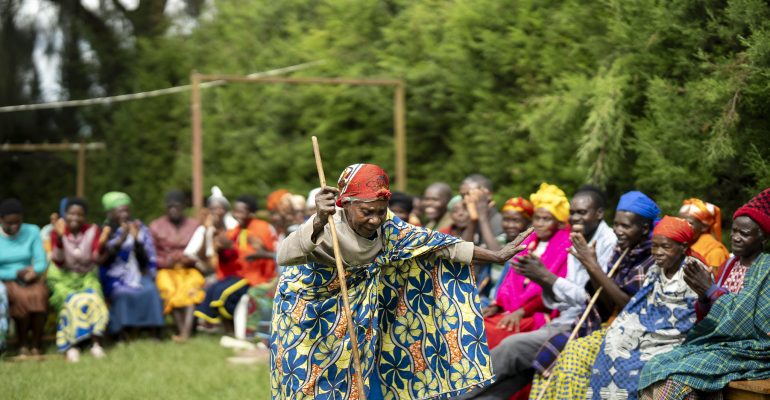
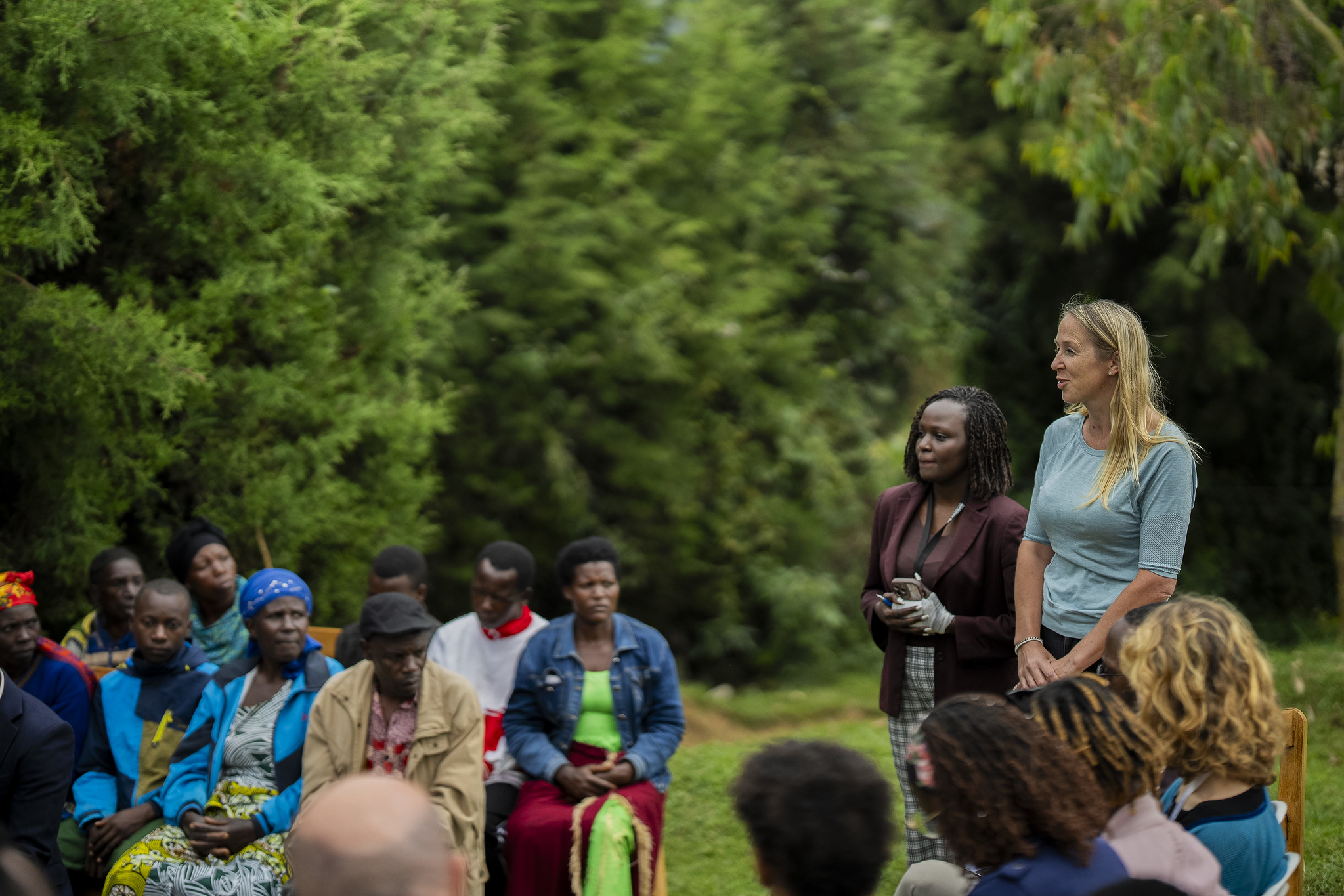
On a bright day, against the green mountains of northern Rwanda, about 200 people gather at Butaro Health Centre. Most are patients; others are family members and loved ones who have walked alongside them through treatment and recovery. They are here to mark the first anniversary of the Butaro Podoconiosis Clinic, and most importantly, to celebrate the progress, resilience, and lives changed.
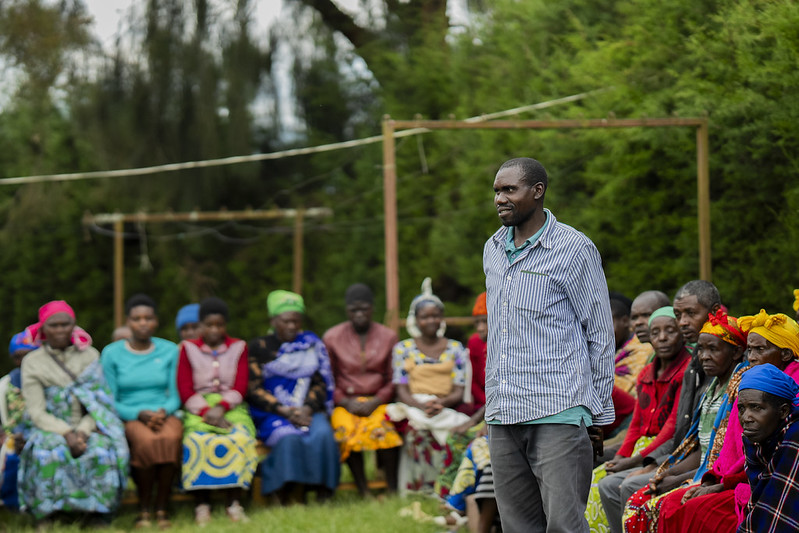
“I remember telling my friends to carry me to the hospital because I could not walk,” Tirwakunda Jean Paul, a 45-year-old man recalls. “They wanted to help but couldn’t at the moment”. “Unfortunately, the burning and itching in my legs could not wait.”
A year later, his story has changed. After nearly 12 months of care at the Butaro Podoconiosis Clinic, the man who once needed friends to carry him now stands before the crowd on his own. As he speaks, he walks.
For many, the past 12 months have changed what they understand about a condition they had lived with for years. Before coming to the clinic, some did not know why their legs had become swollen, heavy, and painful. Some had come to believe that little could be done.
Today, they know differently.
A condition long misunderstood.
Podoconiosis, is a non-infectious form of leg swelling caused by long-term exposure of bare feet to irritant soils. It mainly affects subsistence farmers, living and working in highland farming communities, including areas with red clay and volcanic soils. Those most affected often have limited access to water, sanitation, and protective footwear, which can make regular foot and leg hygiene difficult.
But the physical aspect is only part of the story. For years, limited awareness has allowed misconceptions to persist. Some people misunderstood the condition, as explained by Dr. Pacifique Ufitinema, Butaro Podoconiosis Clinic Director and Project Facilitator, with the Kikundi Community of Practice in One Health at the University of Global Health Equity.
“The condition is often linked to witchcraft, curses or a contagious virus,” she explains. “This increases stigma and delays care-seeking.”
That stigma can affect a person’s livelihood, relationships, and participation in community life. Podoconiosis can become physical, economic, and social at the same time. Yet it is preventable and manageable.
Simple care, visible change
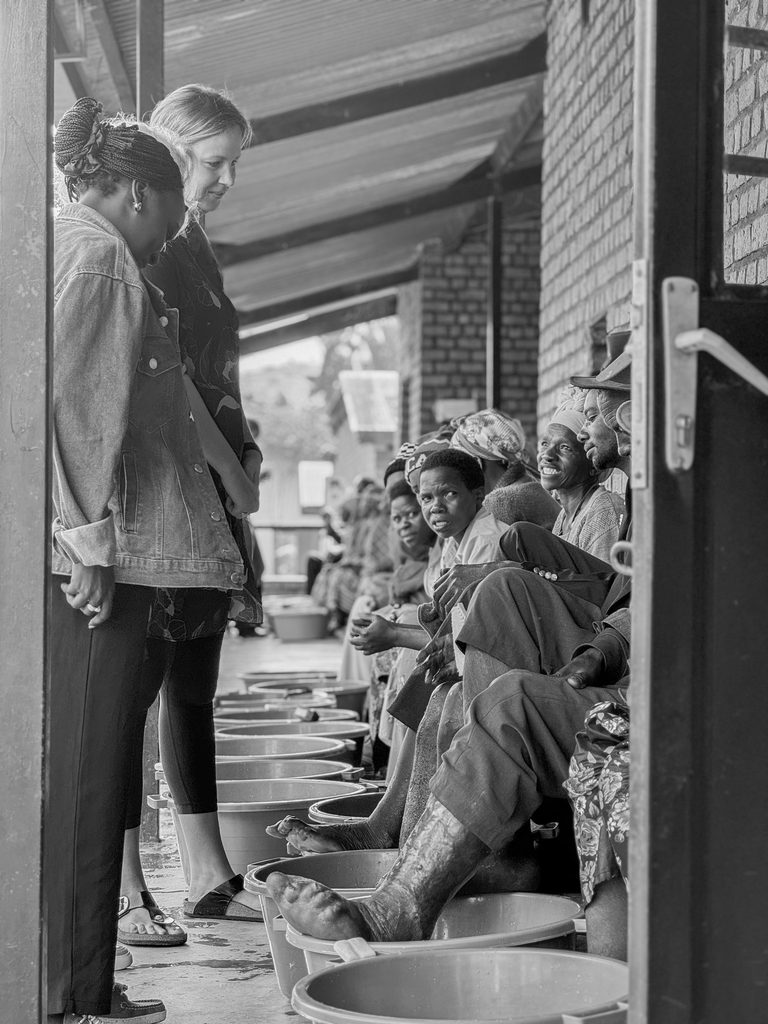
Prevention begins with reducing direct contact with irritant soil, particularly wearing shoes. For people already living with podoconiosis, regular washing, skin care, leg elevation, exercise and appropriate medical follow-up can help manage the condition and prevent complications.
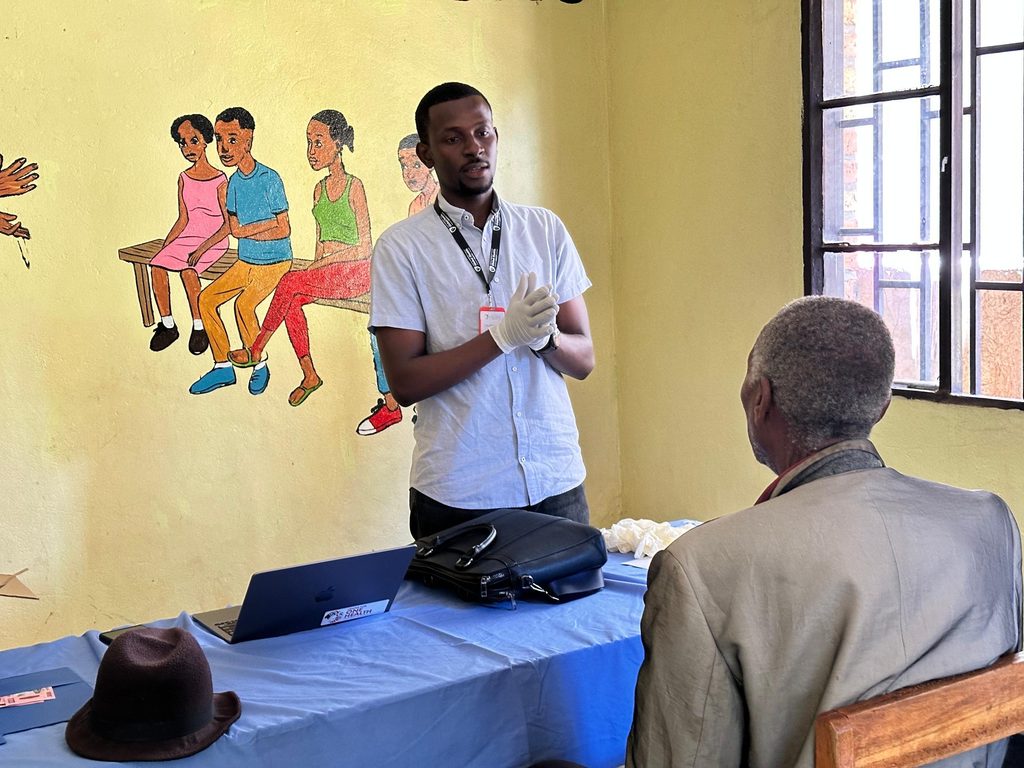
At the Butaro Podoconiosis Clinic, patients learn these practices and receive the basic materials they need to continue care at home, including soap, wash basins, towels, brushes and skin emollients. The impact is visible and deeply personal.
Nyiragahinda Saverina, a 78-year-old mother, has lived with podoconiosis since childhood. For much of her life, wearing ordinary shoes was difficult. After adopting a regular hygiene routine and protective footwear, she has begun to experience changes she once thought were impossible.
“I had never been able to wear light shoes since I was young. Now I can,” she says. “Most importantly, if you see me dancing now, you will not believe I once could not walk.” She says, smiling genuinely as she dances.
From listening to action
Butaro Podoconiosis Clinic was founded by Dr. Janna Schurer, Associate Professor at UGHE. The idea grew from her years of work in the UGHE’s Centre for One Health, to understand podoconiosis and the experiences of people living with it. A qualitative assessment in Butaro explored patients’ experiences of the disease as well as water, sanitation, and hygiene. The findings showed that many people had limited information about what caused podoconiosis and how it could be prevented. The same study also showed that many people living with podoconiosis were not receiving the care they needed from government health facilities, likely because many healthcare workers have not been adequately trained to recognize and manage the disease.
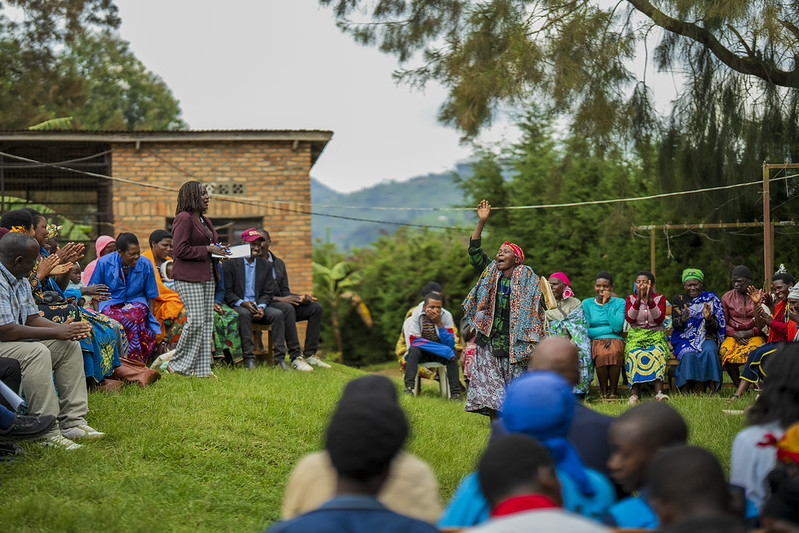
Patients also wanted something practical: a dedicated place where they could be properly diagnosed, treated, and followed over time. That feedback helped shape the clinic. Today, the clinic combines diagnosis and treatment with education, psychosocial support, and long-term monitoring of patients’ health and quality of life.
“When we started, we had no funding and no idea whether people would come, but our patients led the way. They walked long distances to receive care, followed the program, and encouraged each other. Their enthusiasm was infectious and now we are ready to welcome a second cohort.” Dr. Janna Schurer says.
Patients are also learning to speak more openly about the condition and to meet others with similar experiences. The clinic, Dr. Pacifique explains, is therefore more than a place to collect supplies. It is a space for clinical care, education, emotional support, research, and patient empowerment.
Challenges remain. Some patients live far from the health centre, have limited mobility, or cannot afford regular transport. Poverty, stigma, and limited livelihood opportunities can continue even when clinical care is available.
The next step is therefore to bring care closer to communities. Community health workers in Butaro and surrounding sectors have already received training, with plans to strengthen screening, home visits and anti-stigma interventions.
“Our team has big plans! In the next five years, we will continue patient care, introduce new medical curricula, promote prevention, and bring innovative strategies for surgical care.” Dr. Janna says.
“We have incredible partners at CRI Foundation, HASA and the RBC Neglected Tropical Disease unit who are helping bring this vision to life.” She adds.
From Butaro to a wider movement
The progress being seen in Butaro is part of a much bigger effort to defeat podoconiosis. The WHO estimates that around four million people globally live with podoconiosis. In Rwanda, an estimated number 6,000 people are affected. Only a few of these are under treatment, as the country works towards elimination by 2030.
But treating those already affected is only part of the challenge. For Dr. Ursin Bayisenge, Postdoctoral Fellow, Centre for One Health at UGHE, the bigger task is closing what he describes as “the gap between what we know and what is being done.”
That gap led to RESHAPE, the Resilient and Sustainable Health Systems Approach for Podoconiosis Elimination, a WHO-approved regional platform hosted at UGHE’s Centre for One Health and led by Dr. Ursin Bayisenge. Rather than building a parallel response, RESHAPE works with countries to bring podoconiosis into the health systems and national programmes that already serve their communities.
The platform aims to support 19 African countries to better understand their burden of podoconiosis, strengthen diagnosis and care, set elimination targets, train health workers, and integrate prevention and lymphoedema management into national NTD plans and primary healthcare. Early work is already taking shape in Burundi, Madagascar, Zimbabwe, and São Tomé and Príncipe, with outreach also underway in the Democratic Republic of Congo and Guinea.
The approach depends on countries and partners working together. WHO AFRO and country offices, Ministries of Health, technical partners, national programme managers, researchers, health workers and people affected by podoconiosis each bring a different part of the response.
“Partnerships are the whole model,” Dr Ursin says. No single organisation can eliminate podoconiosis; RESHAPE’s role is to bring those efforts together and help move countries from a disease that is often unseen and under-recognised towards one that is mapped, diagnosed, treated and ultimately prevented. In that sense, the work in Butaro is not an isolated success. It is part of a wider effort to turn evidence into systems that can reach many more people, in Rwanda and across the continent.
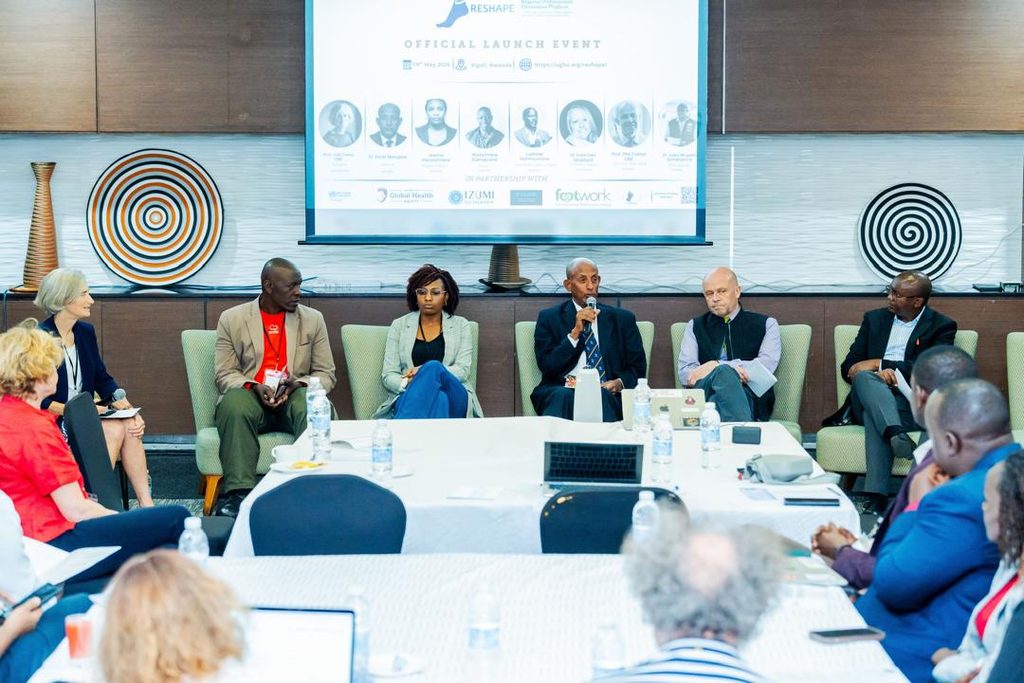
Initiatives like Butaro Podoconiosis Clinic follow and work in partnerships with others like Heart and Sole Africa (HASA), a technical and learning partner that collaborates with the Rwanda Biomedical Centre (RBC) and other stakeholders to expand access to podoconiosis care and increase the number of treatment centers across Rwanda.
Back at Butaro Health Centre, those ambitions are already taking human form. Jean Damascene, who once needed friends to carry him, now walks as he tells his story. Saverina can wear the shoes she once could not and dance on legs that once made walking difficult. For the people gathered to celebrate the clinic’s first year, eliminating podoconiosis is not only a health-system target. They are beginning to experience what it could mean, one step at a time.