UGHE Ranks Fifth Globally in Medicine for Planetary Health
May 19, 2026 2026-10-01 0:40UGHE Ranks Fifth Globally in Medicine for Planetary Health
The University of Global Health Equity (UGHE) has been ranked fifth globally in Medicine in the 2026 Planetary Health Report Card. This is an exciting milestone for UGHE, and a strong recognition of how the university is preparing future doctors to care for people in a changing world.
In the 2026 international summary, UGHE is listed with an A overall and an A+ in Community Outreach and Advocacy. The university also earned A grades in curriculum, interdisciplinary research, support for student-led initiatives and campus sustainability.
Why planetary health matters
Planetary health means that human health depends on the health of the natural world. Clean air, safe water, healthy soils, stable climates, food systems and biodiversity all affect how people live, fall sick and recover.
This matters deeply for health equity. Climate change, pollution, poor sanitation, unsafe water and changing disease patterns often place the greatest burden on communities facing the greatest barriers to health, including poverty, limited infrastructure and unequal access to care. Training health professionals today means preparing them to understand these links and respond with care, science and justice.
The Planetary Health Report Card is a student-led global tool that assesses how health professional schools include planetary health in teaching, research, community engagement, student leadership and campus operations. In 2026, it brought together students and faculty from 212 health professional schools, with Medicine remaining the largest discipline.
Learning beyond the classroom
At UGHE, planetary health is integrated into how students are taught to think about health.
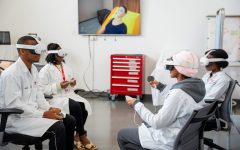
Medical students engage with issues such as extreme heat, air pollution, food and water insecurity, changing infectious disease patterns, environmental stressors and climate-related inequities. These topics are taught through classroom learning, case-based sessions, field visits and community-based training.
This approach reflects UGHE’s One Health model. It helps students see the links between human health, animal health and the environment. It also prepares them to ask better questions when caring for patients, including questions about where people live, what they are exposed to and how their environment shapes their health.
Community at the centre
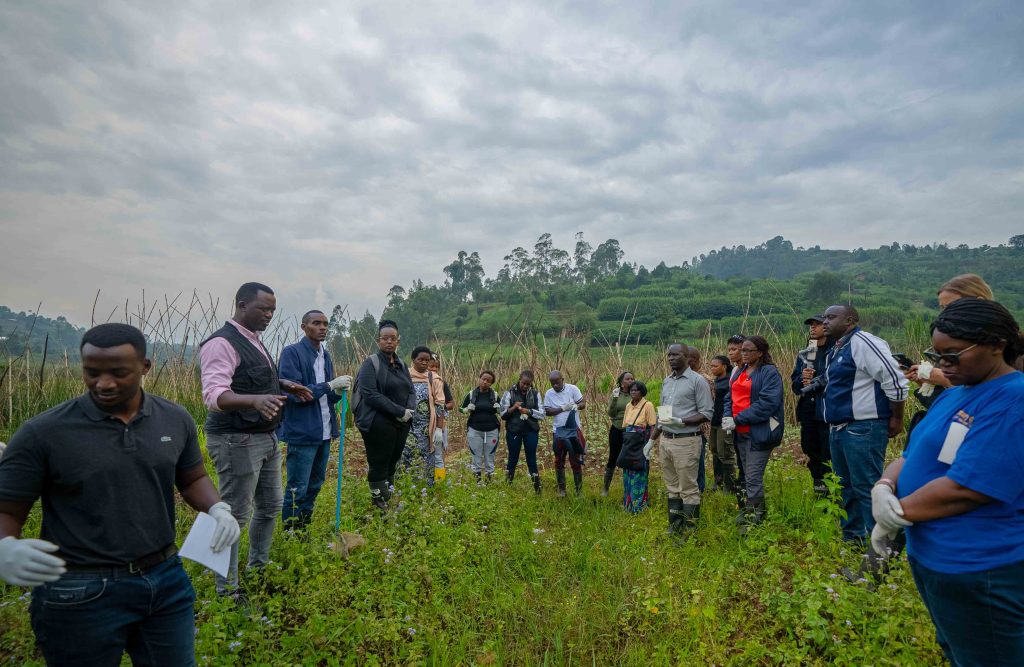
UGHE’s A+ in Community Outreach and Advocacy reflects one of the university’s strongest commitments. Health education must connect with the realities of the people it serves.
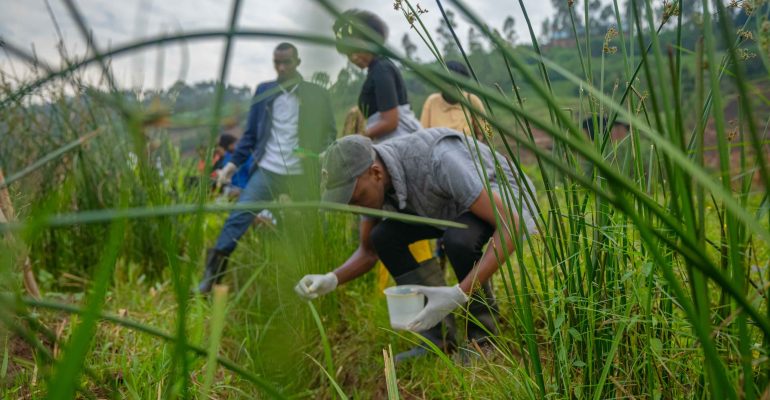
In Burera District, UGHE’s work includes Umuganda activities, community-led snakebite prevention, school-based biodiversity education, antimicrobial resistance awareness, sanitation outreach and the Butaro Podoconiosis Clinic. Patient education materials, including comic books on rabies and snakebite risk, have also helped make health information easier to understand and use.
These efforts show how planetary health becomes practical. It is not only about climate or the environment in broad terms. It is about safer homes, stronger communities, cleaner surroundings, better prevention and more informed care.
Students leading the way
A major part of this achievement belongs to UGHE students.
The Student One Health Innovation Club, known as SOHIC, has helped drive student-led action on planetary health. Supported by the Centre for One Health, SOHIC gives students space to learn, organise and lead. Its work includes community outreach, antimicrobial resistance campaigns, campus debates, school outreach and student-led learning activities.
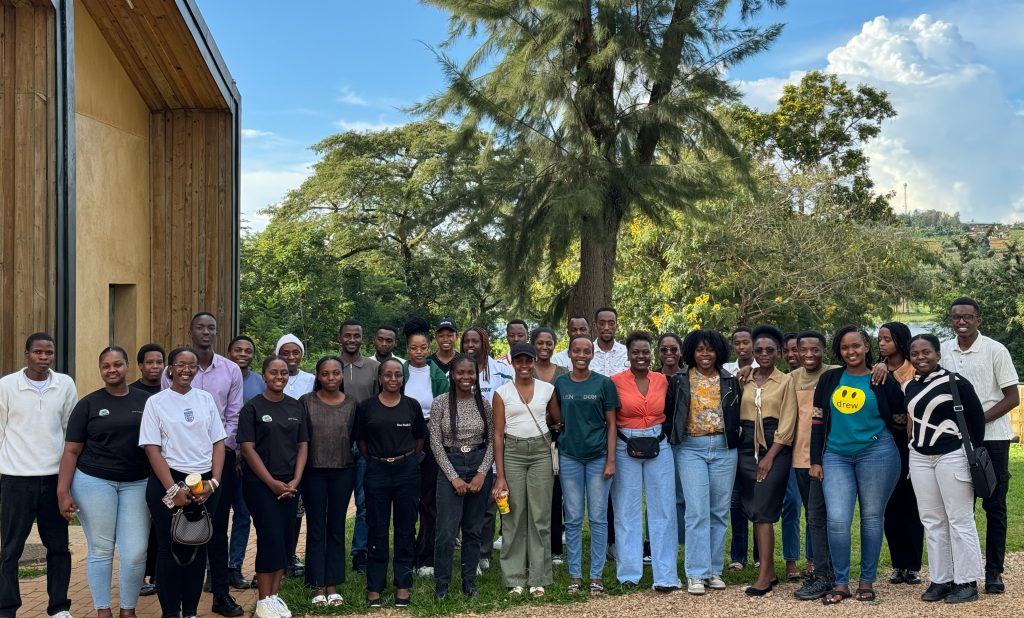
SOHIC provides a space for students to explore how medicine connects to the health of communities and ecosystems, and to build the skills and relationships needed to work across disciplines.
A milestone and a call to keep going
UGHE’s recognition is a proud moment. It reflects the work of students, faculty, staff, the Centre for One Health and community partners who continue to turn health equity into action.
It also points to the work ahead. The 2026 assessment identifies several areas where UGHE can continue to strengthen its approach. These include deeper integration of sustainability principles into campus development and operations (for example, energy use, waste management, and sustainable procurement), stronger systems to track environmental performance and related health indicators, and the development of more community-facing materials on environmental and climate-sensitive health risks. These opportunities point to practical ways UGHE can build on its existing efforts and further align its institutional practices, monitoring systems, and outreach activities with its broader commitment to planetary health.
This milestone affirms the kind of medical education UGHE is building. One that is rooted in equity. One that listens to communities. One that prepares future health professionals to care for both people and the planet that sustains them.