HD²SS Prepares for Its First Annual Population Update in Butaro, Rwanda
November 5, 2026 2026-11-09 14:18HD²SS Prepares for Its First Annual Population Update in Butaro, Rwanda

A pregnancy begins. A child is born. A family moves from one village to another. Each event changes a household’s story. Together, these experiences can reveal how the health and well-being of an entire community are changing.
In Butaro Sector, Burera District, in northern Rwanda, the University of Global Health Equity’s Human Development and Demographic Surveillance System (HD²SS) is building a record of those changes. Since its launch in 2025, the platform has completed its initial census across all 67 villages and is preparing for its first annual population update in November 2026.
Established through UGHE’s Centre for Population Health, under the Institute of Global Health Equity Research (IGHER), HD²SS follows a defined population over time to understand how demographic, health and social circumstances evolve.
From a baseline census to a population health platform
The completion of the initial census marks an important milestone for HD²SS. Research teams mapped and enumerated households and residents across Butaro Sector’s five cells: Gatsibo, Mubuga, Muhotora, Nyamicucu and Rusumo. The surveillance area now covers approximately 10,000 households and 40,000 people.
The census provides the foundation for a longer-term effort to understand population health. While national surveys and health facility records provide essential information, HD²SS adds another perspective by returning to the same population and documenting changes in people’s lives and circumstances. This allows researchers to investigate how health conditions develop; how social and economic circumstances influence well-being, and whether programmes and interventions are responding to community needs.
Adding health detail to the population picture
Beyond establishing the size and characteristics of the population, HD²SS is gathering more detailed information about the factors affecting people’s health. The team is implementing an individual-level health module, involving a subsample of approximately 3,000 households and around 6,000 eligible individuals. The module covers noncommunicable diseases and their risk factors, mental health, sexual and reproductive health, gender empowerment, and domestic violence as additions to the numerical data.
These areas provide insight into health challenges that may not be fully captured through routine healthcare information alone. They also reflect the wider social and economic circumstances that shape people’s well-being. Findings from the module will help researchers identify health needs and better understand the conditions associated with different outcomes across the Butaro Sector and beyond.
Community Health Workers strengthen population reporting
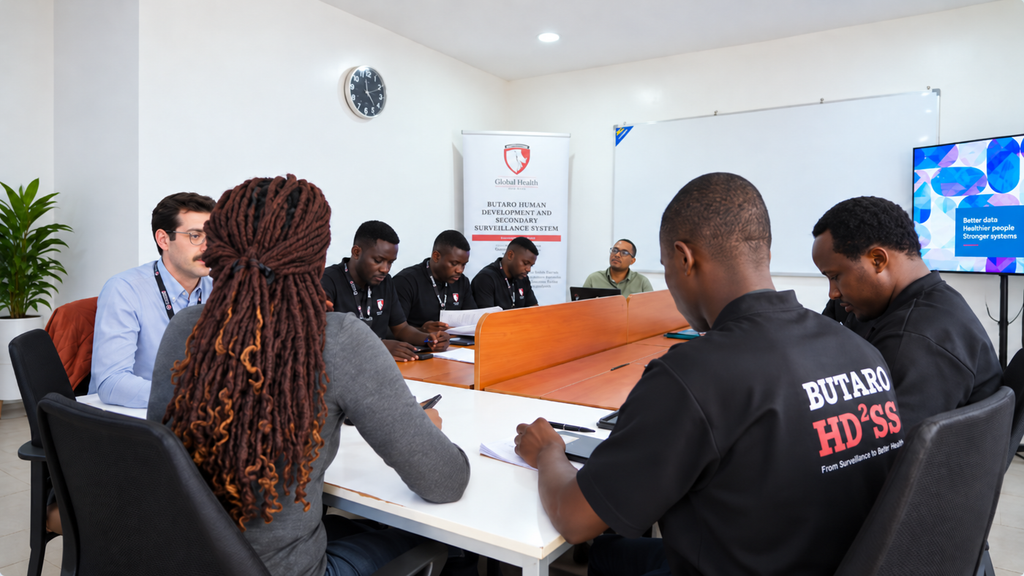
Following the population requires consistency and a deep understanding of their daily lives and activities. Throughout the program, another important development is the training of 67 Community Health Workers as community-based event notifiers. Their role is to report changes such as pregnancies, births, deaths and migration within their communities, helping the HD²SS team maintain updated population records between annual data collection rounds.
Because Community Health Workers already live and work alongside the families they serve, they are well placed to identify changes and support regular reporting. Their participation builds on broader community engagement efforts undertaken by the HD²SS team, including village-level meetings and the establishment of a Community Advisory Board.
While Community Health Workers support event notification, the village meetings and Community Advisory Board provide opportunities for communication, participation and continued engagement with the research process. Together, these structures help strengthen trust and local involvement, both of which are essential to sustaining a long-term population surveillance platform.
November 2026: The first annual population update
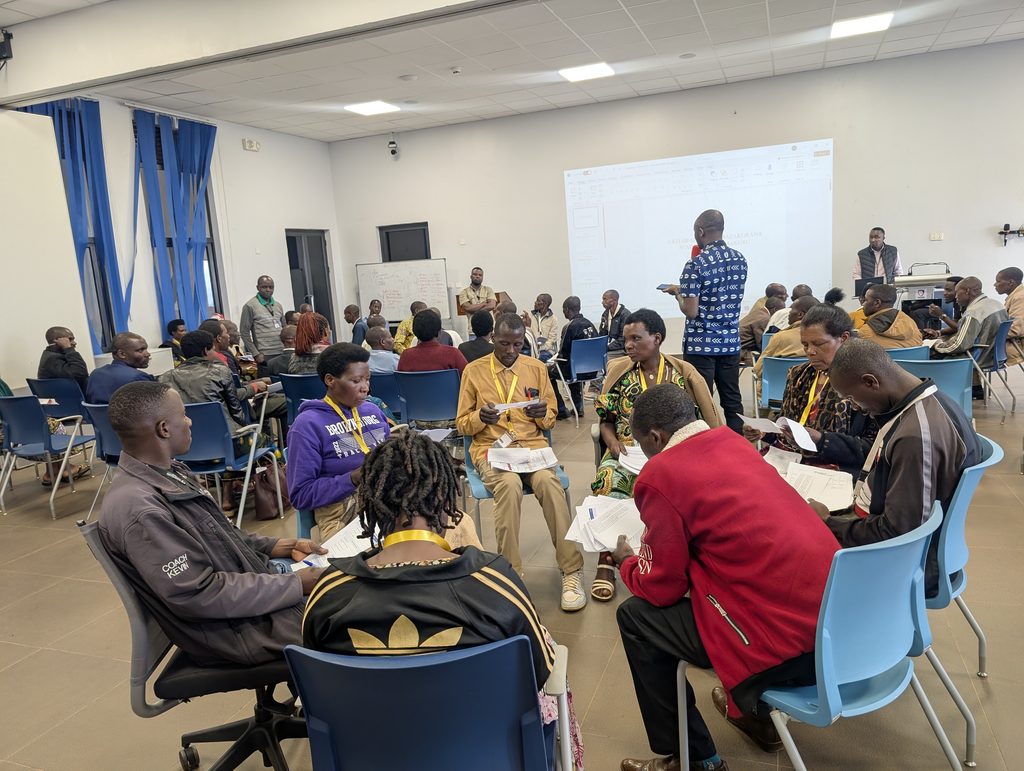
With the baseline census completed and community reporting structures established, the Butaro HD²SS is preparing for its first annual population update in November 2026. The exercise will involve returning to households across the surveillance area to document changes since the initial census and update the population records. It will also allow the team to compare information collected during two major rounds of household enumeration for the first time.
Beyond updating the figures, the exercise will also help assess the effectiveness of the surveillance processes and identify areas that may need strengthening ahead of future rounds. This is a significant step in the development of HD²SS, moving from establishing a baseline population record towards maintaining a functioning long-term surveillance system.
Turning population evidence into decisions
As Butaro HD²SS develops, attention is also turning to how the information collected can contribute to health planning and decision-making. UGHE is strengthening collaboration with Rwanda’s Ministry of Health and the National Institute of Statistics of Rwanda (NISR) to explore opportunities for using HD²SS evidence in policy discussions, programme development and planning.
The team is also preparing a dissemination meeting to share findings from the initial census and individual health module with relevant stakeholders. At the local level, the evidence could help identify emerging health and social needs in Butaro and inform interventions that respond to community priorities. At the national level, it could support research, health programme evaluation and discussions around population health.
These efforts are intended to ensure that the knowledge generated through HD²SS reaches beyond research publications and contributes to practical decisions.
Building a resource for the future
Looking ahead, for Dr. Michael Boah, Research Scientist at UGHE’s Centre for Population Health and HD²SS Cohort Lead, the platform’s long-term success will depend on its ability to generate reliable information while maintaining meaningful relationships with the communities involved.
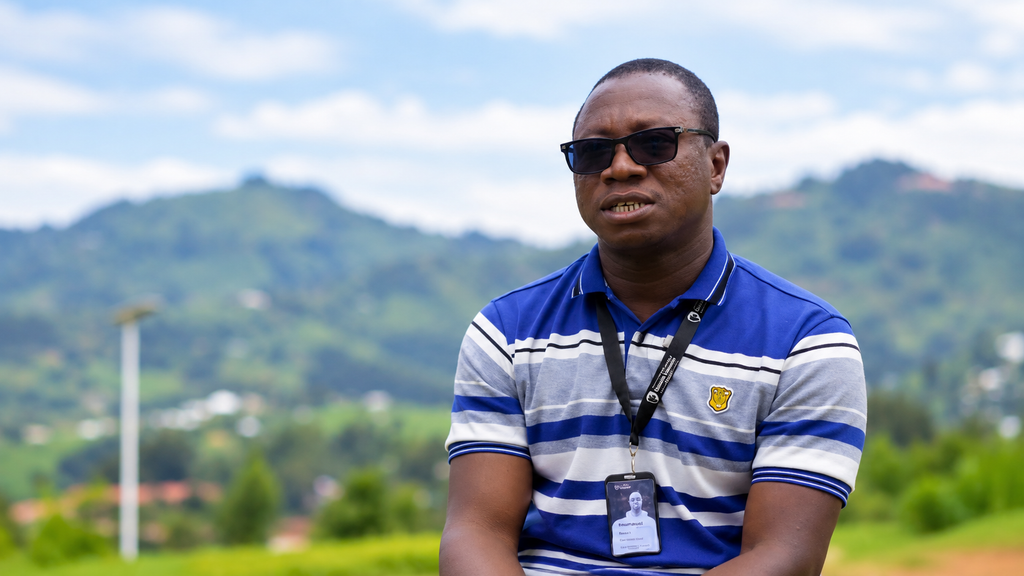
“Over the next three to five years, success would mean having a strong and reliable platform that can consistently track demographic, health, and social changes across Butaro,” he explains.
“For the communities themselves, success would mean that the information they contribute helps identify changing needs and supports health and social interventions that are relevant to their realities.”
He also emphasises the importance of sustained community engagement.
“It would also mean maintaining strong communication with communities so that people remain engaged with the platform and can see value in the research taking place around them.” Dr. Boah adds.
Beyond supporting health planning, HD²SS has the potential to provide valuable opportunities for research and training. Students and researchers at UGHE and collaborating institutions could use the platform to investigate population health questions, evaluate interventions and build expertise in longitudinal research.
A story still unfolding
Across Butaro’s 67 villages, thousands of households are contributing to a growing understanding of population health. The initial census has provided the starting point. The individual health module is adding important detail, while Community Health Workers are helping maintain connections between annual data collection rounds.
The November 2026 update is marking the next step in this work, bringing HD²SS closer to its ambition of becoming a reliable, long-term resource for population health research in Rwanda. For the families participating in Butaro, the larger promise is that the information they share will help reveal changing needs and, over time, contribute to decisions that improve health and well-being in their communities.